self-hypnosis · Waco · hot flashes
They used self-hypnosis for hot flashes. The flashes came less often.
You sit with headphones on, or a disc player in your lap, and you close your eyes.
You picture a snowy path, or a cool mountain creek, the kind of cool place the Waco disc used. You wanted those sudden rushes of heat to come less often. Self-hypnosis is when you listen to a disc and go to a cool place in the mind. A hot flash is a sudden rush of heat that starts in the body. Menopause is the years after periods stop. Gary Elkins ran this trial at Baylor in Waco, and women sat down with a hypnosis disc or an information disc.
They sat down and pictured a cool place
Women came to the Waco clinic once a week for five weeks. Each visit lasted 45 minutes. In the hypnosis room a therapist started an induction, which is the opening of hypnosis when you settle in and follow the voice. Then the women pictured coolness. They also pictured a safe place. Writers at Baylor later named a snowy path and a cool mountain creek as the kind of pictures on that disc.
Each woman took a disc home and played it every day. That daily listen is the self-hypnosis part. She sat with the headphones on, closed her eyes, and went back to the cool place she had practiced in the room.
Gary Elkins, William Fisher, Aimee Johnson, Janet Carpenter, and Timothy Keith published this paper in 2013. The journal is Menopause, a medical journal. They ran the trial at the Mind-Body Medicine Research Laboratory at Baylor University in Waco. A United States office that funded mind-body work paid for the study. You can read the paper at doi.org/10.1097/GME.0b013e31826ce3ed.
The title of the paper is “Clinical Hypnosis in the Treatment of Post-Menopausal Hot Flashes: A Randomized Controlled Trial.”
They recruited from December 2008 to April 2012. They screened hundreds of people and picked 187 women by chance. Ninety-three women joined hypnosis. Ninety-four women joined the information group. Most of the women were in their fifties. Ages ran from 39 to 75.
The other group heard how a flash works
Women in the other group spent the same minutes in the clinic. A clinician sat with them, listened, and talked through the flashes. They took home a disc that explained how a hot flash works in the body. That disc had no induction on it. They listened each day too.
The two groups used the same clock. Five visits. Forty-five minutes. A disc at home. The split was the voice on the disc and the pictures in the mind.
They wrote the flashes in a diary
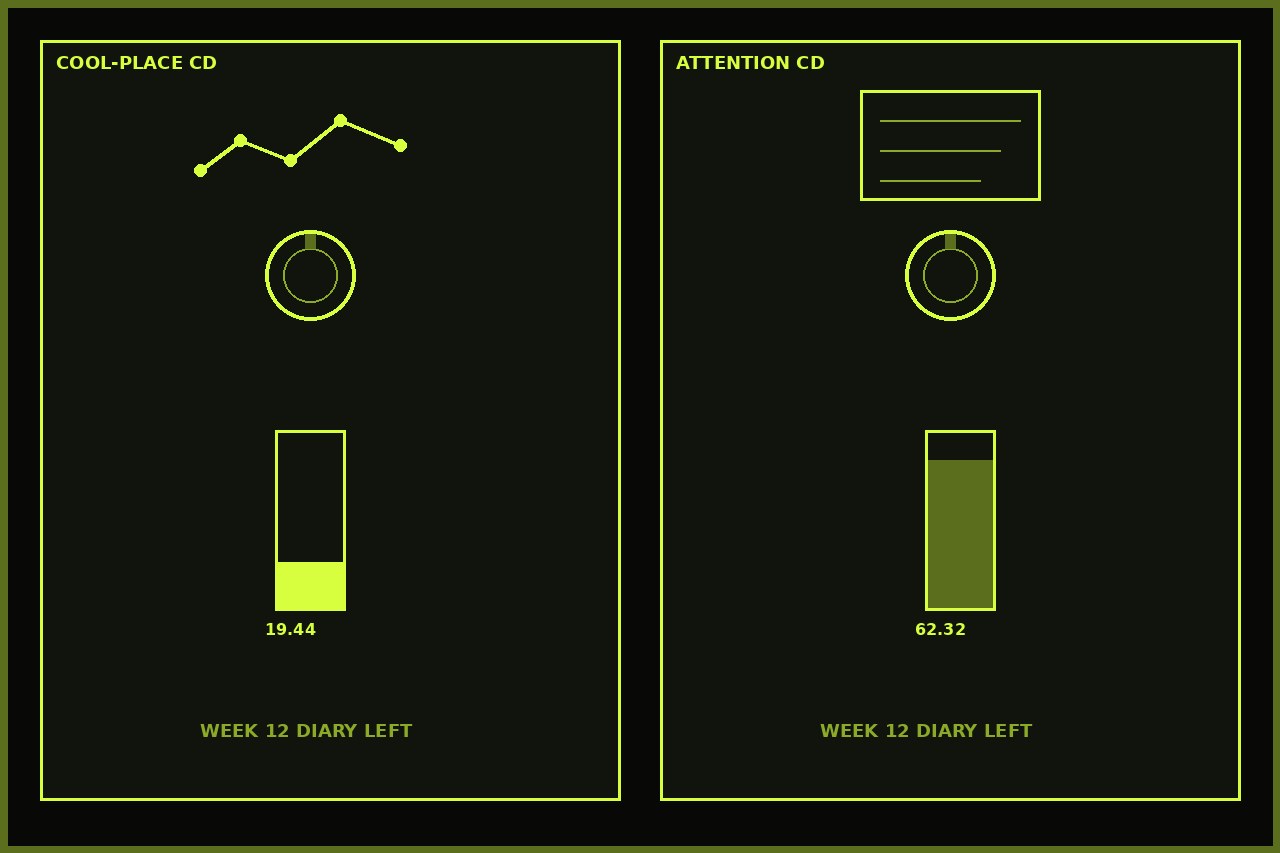
A diary is the page where you write how many flashes you felt. Women kept that page through the weeks. After twelve weeks, women who used the hypnosis disc wrote fewer flashes. Women who used the information disc also wrote fewer flashes, and that drop was smaller.
At week 6 the diaries were already moving the same way. The hypnosis pages had dropped more by then. The information pages had moved a little.
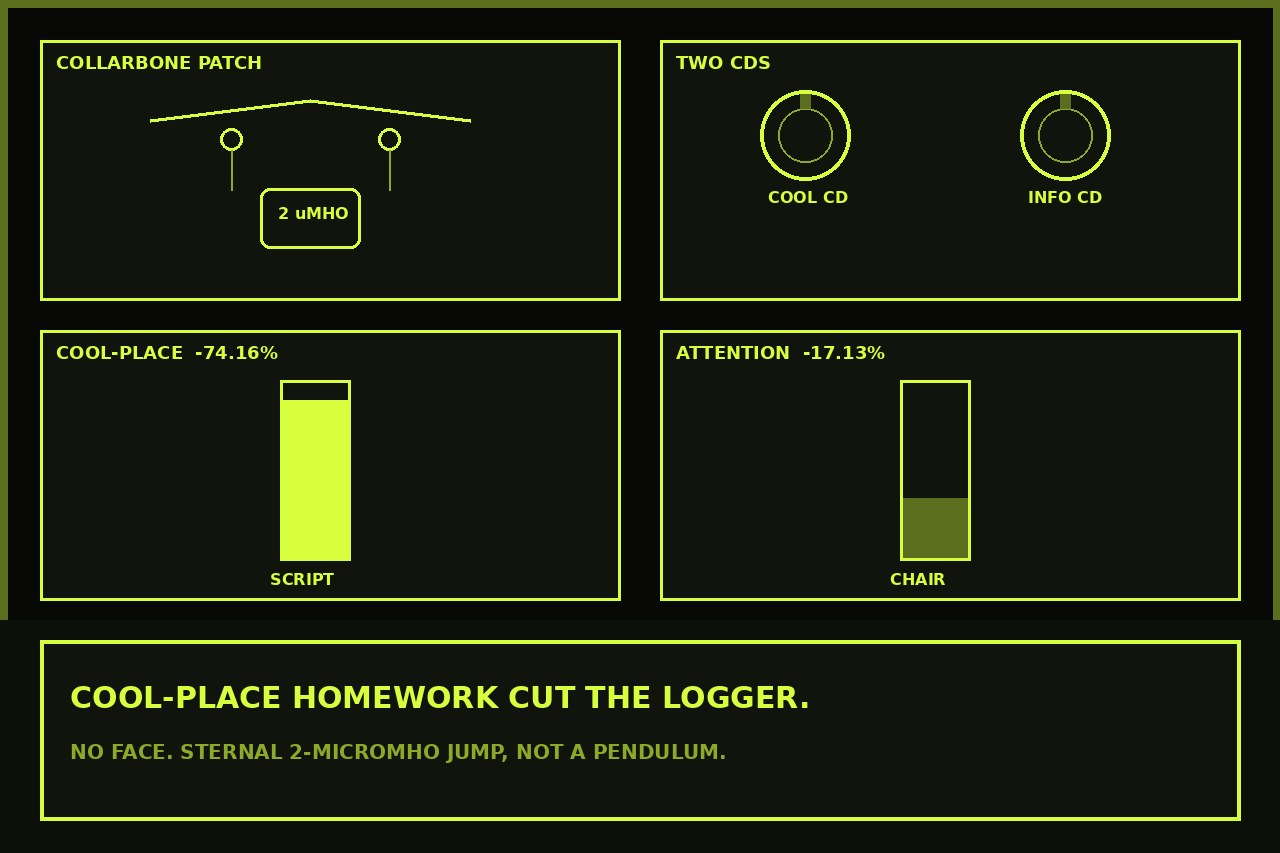
Pads on the chest also marked fewer flashes
Women also wore small pads on the skin below the collarbones. A box on a belt stored the reading from those pads. The team marked a flash when that reading jumped. After twelve weeks those pads also marked fewer flashes in the hypnosis group. The information group moved a little on the pads too.
At week 6 the hypnosis pads were already down. The information pads had ticked up a bit that week, then eased by week 12. Twenty-five women had a mild rash from the sticky pads.
Elkins said the flashes themselves dropped
Baylor news wrote about the trial on 31 October 2012. Elkins said the hot flashes themselves decreased. He said the change was in the flashes, and he did not frame it as a change in how well a woman could wait them out. Writers there rounded the story up.
Later papers used different clocks
Queirolo later wrote a 2026 paper in Padua on hypnosis and stress in medical students. Chevestrier-Lefeuvre later wrote a 2026 paper on virtual-reality hypnosis for chronic pain. Those are later different groups from the Waco women. Do not mix those clocks into this two-way.
If the flashes, the distress, or menopause care feel too big to hold alone, talk to a clinician. This page is educational.
If you want the TM page, open the TM page.
You can still want the flashes to come less often
You sat down because you wanted those sudden rushes of heat to come less often.
Women who used the hypnosis disc wrote fewer flashes after twelve weeks. Women who used the information disc also moved a little. Elkins said the flashes themselves decreased.
You can still sit with a disc and picture a cool place if that is the want.
Sources
Elkins G.R., Fisher W.I., Johnson A.K., Carpenter J.S., Keith T.Z. “Clinical Hypnosis in the Treatment of Post-Menopausal Hot Flashes: A Randomized Controlled Trial.” Menopause 2013, 20(3):291-298. DOI 10.1097/GME.0b013e31826ce3ed. PMID 23435026. PMC 3556367. Mind-Body Medicine Research Laboratory, Baylor University, Waco. NCCAM U01 AT004634-05. Recruited December 2008 to April 2012. Screened 538. Randomized 187, hypnosis 93, structured attention 94. Mean age 54.61, range 39 to 75. Five weekly 45-minute visits. Hypnosis: induction, coolness imagery, safe-place imagery, daily audio self-hypnosis. Control: matched attention, information CD about hot flash biology, daily listen, no induction. Diary week 12: hypnosis -74.16 percent (75.26 to 19.44, n=78) vs attention -17.13 percent (75.21 to 62.32, n=87), p under .001, d=1.27. Composite score -80.32 vs -15.38. Week 6: diary -63.87 vs -9.24. Logger week 6: hypnosis -40.92, attention +7.11. Logger week 12: -56.86 vs -9.94, n=49/70. Biolog Model 3991, electrodes 1.5 inches below collarbones, 2 micromho / 30 s, 15-minute lock-out, FlashTrax. 25 mild adhesive rash. doi.org/10.1097/GME.0b013e31826ce3ed · pubmed.ncbi.nlm.nih.gov/23435026 · PMC3556367
Baylor University. “Clinical Hypnosis Can Reduce Hot Flashes After Menopause, Baylor Study Shows.” 31 October 2012. Elkins: “Not just a change in tolerance or ability to cope, but the hot flashes themselves decreased.” News named snowy path and cool mountain creek. News rounded toward 80. Table 2 keeps 74.16 frequency and 80.32 score. news.web.baylor.edu/news/story/2012/clinical-hypnosis-can-reduce-hot-flashes-after-menopause-baylor-study-shows
Queirolo L., Boscolo A., Cracco T., Moscardi O., Facco E., Zanette G., Stellini E., Navalesi P. “Hypnosis reshapes multilevel stress response and enhances executive performance in stressed medical students.” Scientific Reports 2026, 16:8844. DOI 10.1038/s41598-026-40770-6. University of Padua. NCT06778109. n=49. 8-minute personalized hypnosis vs breath-focused attention. Different clock than Waco. Do not mix into the Waco two-way. doi.org/10.1038/s41598-026-40770-6 · nature.com/articles/s41598-026-40770-6 · clinicaltrials.gov/study/NCT06778109
Chevestrier-Lefeuvre A., Guiné J., Véronneau J. et al. “Effects of a virtual reality hypnosis intervention on chronic pain: a user experience and proof-of-concept study.” Virtual Reality 2026. DOI 10.1007/s10055-026-01432-0. Published 7 August 2026. n=30 chronic pain. Proof-of-concept. No Waco logger used here. doi.org/10.1007/s10055-026-01432-0