Walking · alternate uses · treadmill
Walking produced 81 percent more ideas than sitting.
You wanted the walk to grow the list after a chair already had four minutes.
Walking is people moving on their feet at a pace they already like, and sitting is the chair condition in this study. Alternate uses, also called GAU, is when you say as many uses as you can for one object, like a button or a tire. The list is those uses said out loud. Remote associates, also called CRA, is three words that share a fourth word, and the sample set is Cottage, then Swiss, then cake. In this study a treadmill is a walking belt facing a blank wall. Density is how good the uses were on a 10-point line. d tells you how big the change was. A p value tells you how often a gap this big would show up if sitting and walking were the same. Community college and private are the two schools the students came from. An outdoor path is a walk outside in Experiment 3. A wheelchair in that later test means people who rode while someone else walked in Experiment 4. Keep the walking name.
What is alternate uses?
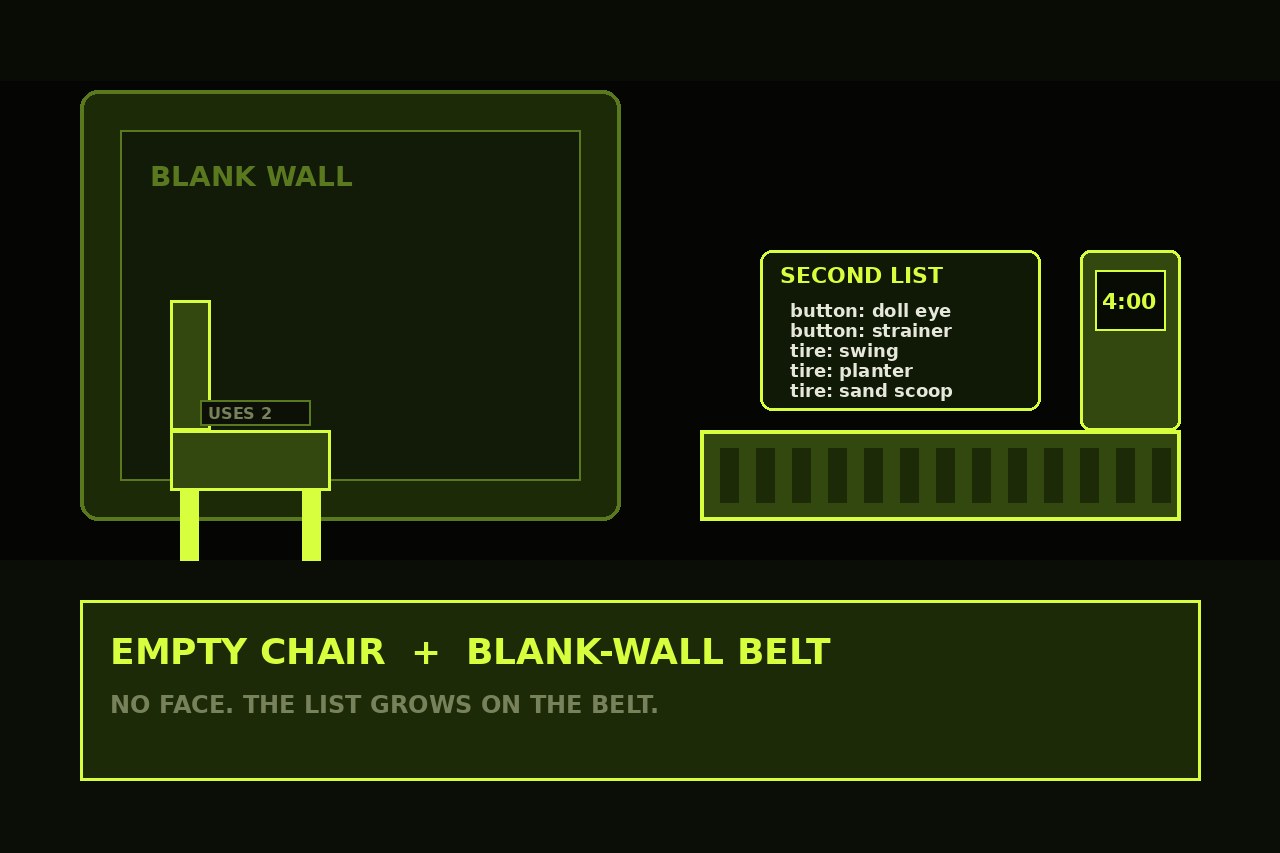
Alternate uses is when you say as many uses as you can for one object. People also call that GAU. You hear an object like a button, then you say every use you can find for four minutes. Then you get a new group of objects. A tire is one object they used. You get four more minutes on that second group.
You wanted that walk to grow the list after a chair already had four minutes, so keep the walking name.
What is a remote associates test?
A remote associates test is three words that share a fourth word. People also call that CRA. You hear Cottage, then Swiss, then cake, and you try to find the word that fits all three, which is cheese. You get 16 of those sets and 15 seconds on each set.
People who walked still printed more uses on the object list. On this three-word test, only 23 percent of people improved, and d went down. Keep wanting the walk to grow the list.
What is a treadmill in this study?
In this study a treadmill is a walking belt facing a blank wall. People sat facing a blank wall first. Then they stood. They picked a pace they already liked and walked that belt. People on the belt also faced a blank wall. The wall is what they faced while they sat and while they walked.
Did walking produce 81 percent more ideas than sitting?
Oppezzo, with Schwartz, published this paper in 2014 in Journal of Experimental Psychology: Learning, Memory, and Cognition. They ran the work at Stanford. You can read the paper at doi.org/10.1037/a0036577.
The title of the paper is “Give Your Ideas Some Legs: The Positive Effect of Walking on Creative Thinking.” It also carries DOI 10.1037/a0036577 and PMID 24749966.
They enrolled 48 college students from a psychology class. Half came from a community college. Half came from a private school. Those are the two schools the students came from.
People sat first and said uses for four minutes, then four more minutes on a new group of objects. Then the same people walked the treadmill and said uses on new objects. They faced a blank wall while they sat, and they faced a blank wall while they walked.
After those first four minutes in the chair, 81 percent of the same people printed more uses once they stood up and walked the belt at a pace they already liked. The average jump was about 60 percent. People who walked printed 33.1 uses, with a spread of 10.22. People who sat printed 22.2 uses, with a spread of 12.20. A spread is how far the scores were from that average.
Density is how good the uses were on a 10-point line. People who sat scored 2.5 out of 10. People who walked scored 3.0 out of 10. The use-list change had a p value under .001, and d was 0.70. d tells you how big the change was.
On the three-word test, only 23 percent of people improved. That change had a p value of .03, and d was 0.38 down. Keep wanting the walk to grow the list.
What happened when people sat twice?
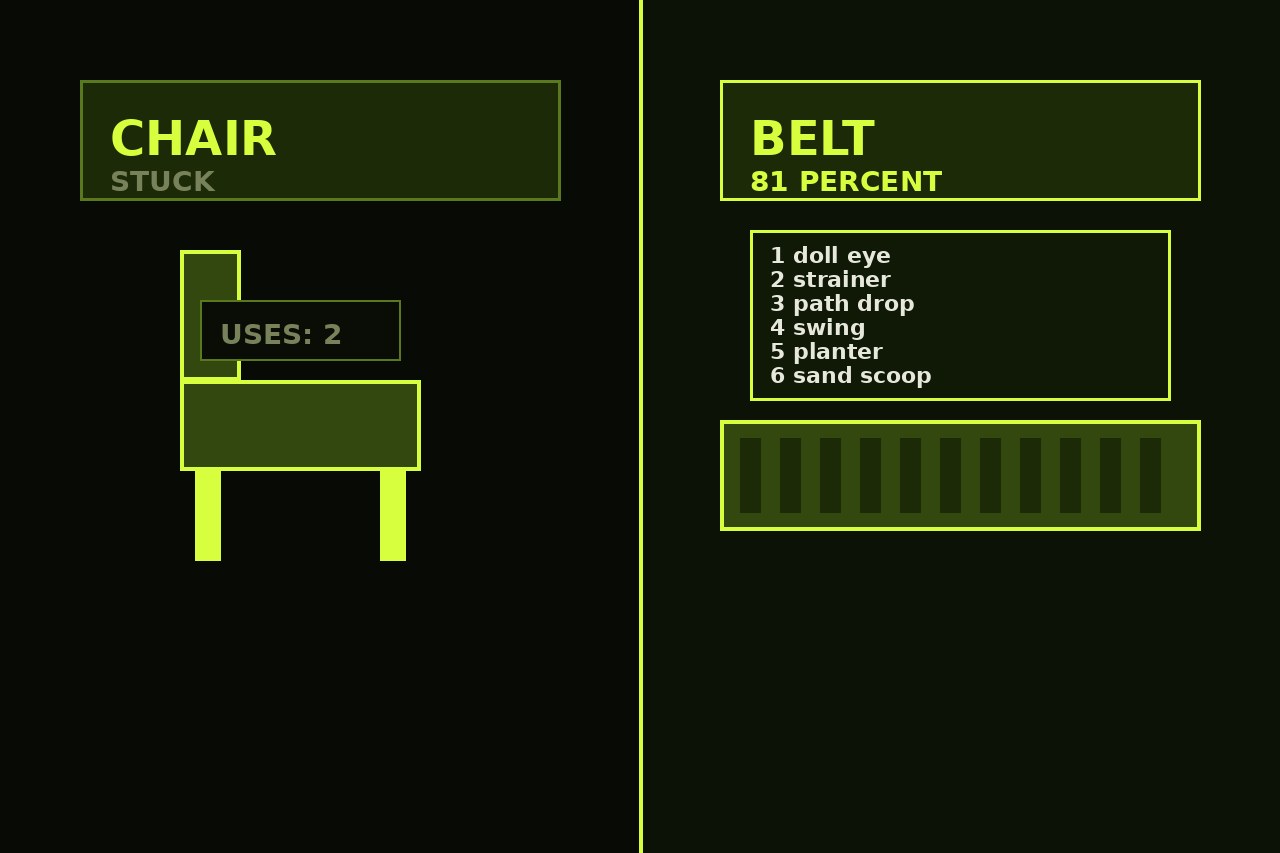
Oppezzo and Schwartz ran a second test with 48 people. People who sat, then sat again, printed a smaller second list. People who sat, then walked the treadmill, printed more uses the second time. 88 percent of those people printed more uses on that second list. That second test is why you can still want the walk after a chair already had four minutes, because people who sat twice printed a smaller second list and people who sat then walked printed more.
You can still want the walk to grow the list after a chair already had four minutes. Sitting still has a place when you want the chair. Almost nine out of ten people who stood up after those first four minutes printed more uses on the second list.
What happened on a walk outside?
A later test used an outdoor path, which is a walk outside. Another test compared people who walked with people who rode while someone else walked. Across the three alternate-uses tests, 81 percent of people improved, then 88 percent, then 100 percent.
Keep the walking name. You can still want the walk to grow the list.
If you feel unusual distress or you need care, talk to a clinician, because this page is educational and not a diagnosis.
If you want a page about a root that dropped a stress sheet 44 percent, open the ashwagandha page.
Can you still want the walk to grow the list?
You wanted the walk to grow the list after a chair already had four minutes. Keep the walking name.
People who walked printed 33.1 uses and people who sat printed 22.2. On the three-word test, only 23 percent of people improved, and d went down. You can still want the walk to grow the list.
Sources
Oppezzo M., Schwartz D.L. “Give Your Ideas Some Legs: The Positive Effect of Walking on Creative Thinking.” Journal of Experimental Psychology: Learning, Memory, and Cognition 2014;40(4):1142-1152. DOI 10.1037/a0036577. PMID 24749966. Stanford. Experiment 1 n=48 undergrad psych, half community college half private. Sit then treadmill, both facing a blank wall. GAU 4 min x two object sets, a button, a tire. GAU 81 percent improved walking, mean jump about 60 percent. Total talk sitting M=22.2 SD=12.20 vs walking M=33.1 SD=10.22. Density 2.5/10 to 3.0/10. t(47)=7.03, p under .001, d=0.70. CRA 16 triads, 15 s, only 23 percent improved, t(47)=2.23, p=.03, d=0.38 down. Cottage, Swiss, cake. Experiment 2 n=48, sit-sit second list shrank, sit-tread 88 percent grew. Experiment 3 outdoor path. Experiment 4 wheelchair vs walk. Across three GAU 81, 88, 100 percent. doi.org/10.1037/a0036577 · pubmed.ncbi.nlm.nih.gov/24749966 · Stanford PDF