Sound bath · singing bowls · tension
An hour of singing bowls dropped the tension.
You wanted the bowls to drop the tension after sleep already sat on the mat.
A sound bath, also called singing bowl meditation, is when you lie on a mat while someone plays bowls. Tibetan bowls are metal bowls played by the head. POMS-SF is a short mood sheet. Tension is how tight they marked on that sheet. Observational means they had no comparison group who sat in a quiet room. Naive means this was their first hour. Experienced means people who had done this before. Vigor is how lively they marked. Z is how big the change was on that test. Chopra, Seaside, and CIHS are the three rooms they ran. Keep the sound-bath name.
What is a sound bath?
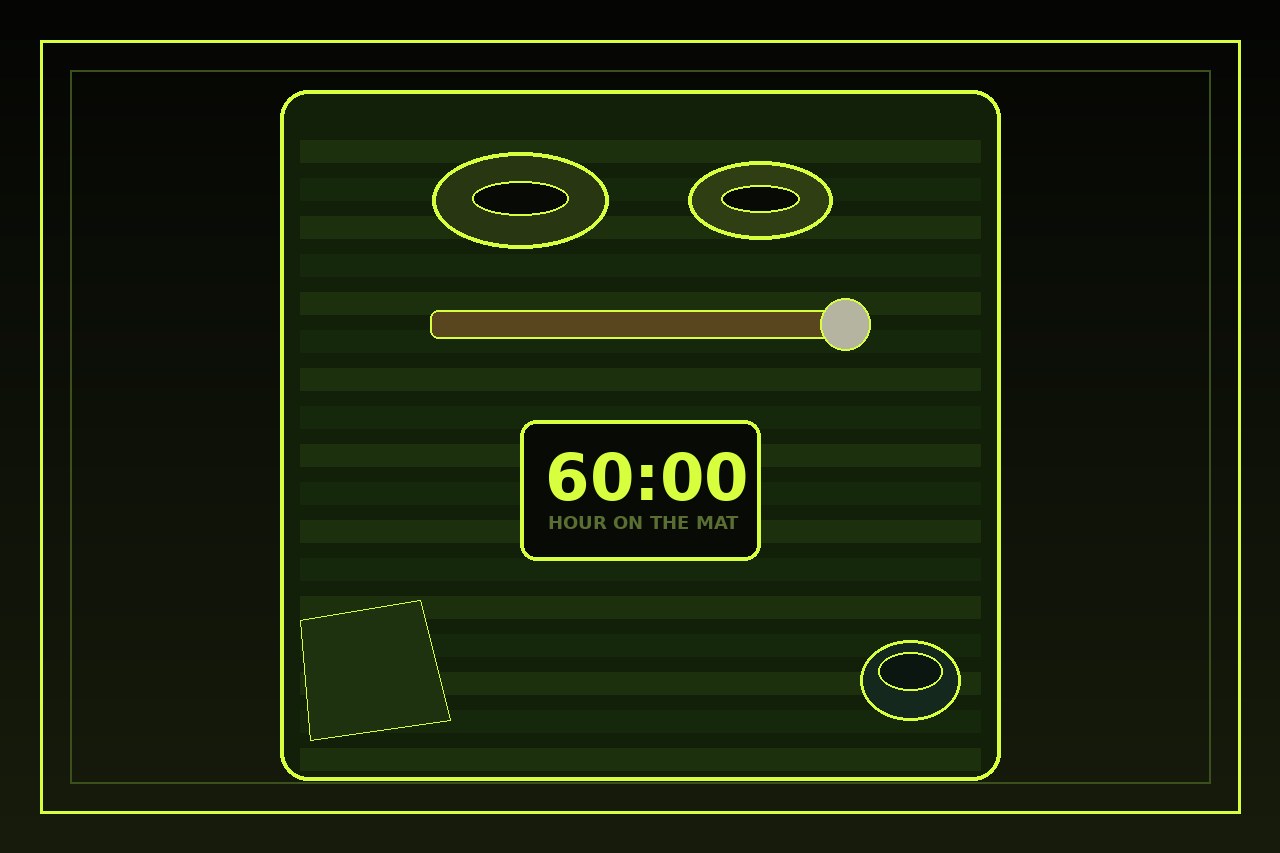
A sound bath is when you lie on a mat while someone plays bowls. You stay on the mat while someone in the room plays the bowls. People already do this when they want an hour of bowls to drop the tension.
You wanted those bowls to drop the tension after sleep already sat on the mat, so keep the sound-bath name.
What are Tibetan singing bowls?
Tibetan bowls are metal bowls, and someone plays them by the head. In this hour, people lay with their heads toward the instruments, and at least two Tibetan bowls were by the head.
Deep Deoja ran the hour, and people lay for about 60 minutes. Keep wanting the bowls to drop the tension.
Can you sleep during a sound bath?
Sleep was allowed, so people could fall asleep on the mat while Deep Deoja ran the hour. You do not have to stay awake.
You can still want the bowls to drop the tension if sleep already sat on the mat. People who slept on the mat still belong in this hour. Keep the sound-bath name.
Did an hour of singing bowls drop the tension?
Goldsby, with Goldsby, McWalters, and Mills, published this paper in 2017 in the Journal of Evidence-Based Complementary and Alternative Medicine. That is the journal. You can read the paper at doi.org/10.1177/2156587216668109.
The title of the paper is “Effects of Singing Bowl Sound Meditation on Mood, Tension, and Well-being: An Observational Study.” It also carries DOI 10.1177/2156587216668109 and PMID 27694559.
They enrolled 62 people. Observational means they had no comparison group who sat in a quiet room. Deep Deoja ran the hour. People lay for about 60 minutes with their heads toward the instruments. At least two Tibetan bowls were by the head. Sleep was allowed. They ran that hour in three rooms, with 39 people at Chopra, 17 people at Seaside, and 6 people at CIHS.
People marked POMS-SF before the hour and after the hour. POMS-SF is a short mood sheet. Tension is how tight they marked on that sheet.
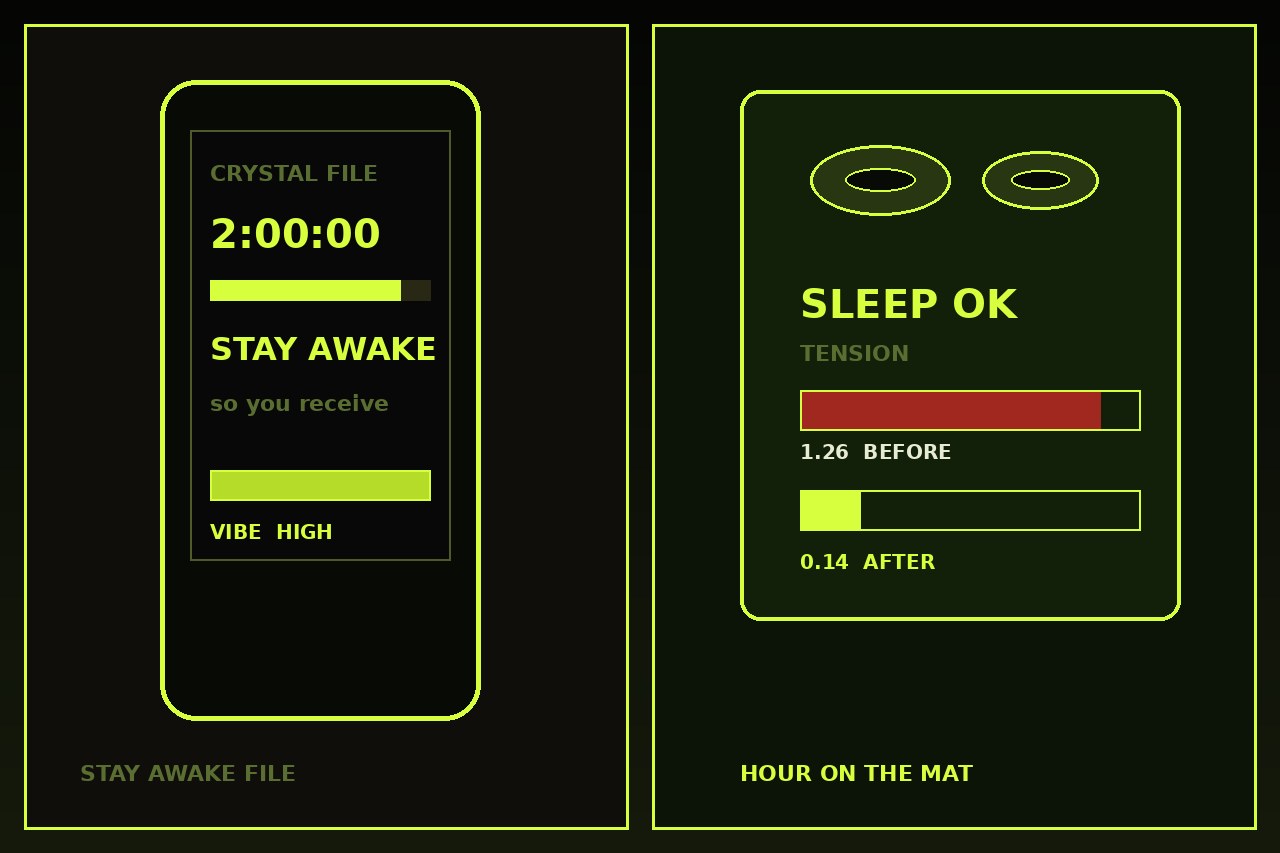
On all 62 sheets, people marked tension 1.26 before the hour and 0.14 after. That change was 1.12. They printed the p value as .000, and they printed Z at .51. Z is how big the change was on that test. A p value tells you how often a gap this big would show up if people marked the same tension after.
Keep wanting the bowls to drop the tension.
Did a first sound bath drop the tension?
Naive means this was their first hour, and twenty-six people were in that first hour. Those people marked tension 1.61 before the hour and 0.32 after.
Experienced means people who had done this before, and thirty-six people had done this before. Those people marked tension 1.01 before the hour and 0.15 after.
Both groups marked less tension after the hour. Keep the sound-bath name if this is your first hour. Keep it if you have already done this.
What happened to vigor after the sound bath?
Vigor is how lively they marked. Fifty-nine people marked vigor, and those people marked 1.97 before the hour and 1.48 after. The p value was .002.
They marked less lively after the hour. They also marked a lot less tension. You can still want the bowls to drop the tension.
What is an observational sound bath study?
Observational means they had no comparison group who sat in a quiet room. Sixty-two people went through the hour, then they marked the sheet again, and nobody checked how long that drop lasted.
You can still want the bowls to drop the tension. Sleep was allowed.
If you feel unusual distress or you need care, talk to a clinician, because this page is educational and not a diagnosis.
If you want a page about talking to yourself by name, open the name-talk page.
Can you still want the bowls to drop the tension?
You wanted the bowls to drop the tension after sleep already sat on the mat. Keep the sound-bath name.
People marked tension 1.26 before the hour and 0.14 after. Sleep was allowed. They had no comparison group who sat in a quiet room. Nobody checked how long that drop lasted. You can still want the bowls to drop the tension.
Sources
Goldsby T.L., Goldsby M.E., McWalters M., Mills P.J. “Effects of Singing Bowl Sound Meditation on Mood, Tension, and Well-being: An Observational Study.” Journal of Evidence-Based Complementary and Alternative Medicine 2017;22(3):401-406. DOI 10.1177/2156587216668109. PMID 27694559. Observational, n=62, no quiet-room control, persistence unknown. Deep Deoja ran the hour. About 60 min, heads toward instruments, at least 2 Tibetan bowls by the head, sleep allowed. POMS-SF tension n=62: 1.26 to 0.14, change 1.12, p=.000, Z=.51. Vigor n=59: 1.97 to 1.48, p=.002. Naive n=26 tension 1.61 to 0.32. Experienced n=36 tension 1.01 to 0.15. Seaside n=17, Chopra n=39, CIHS n=6. doi.org/10.1177/2156587216668109 · pubmed.ncbi.nlm.nih.gov/27694559