Qigong · medical qigong · quality of life
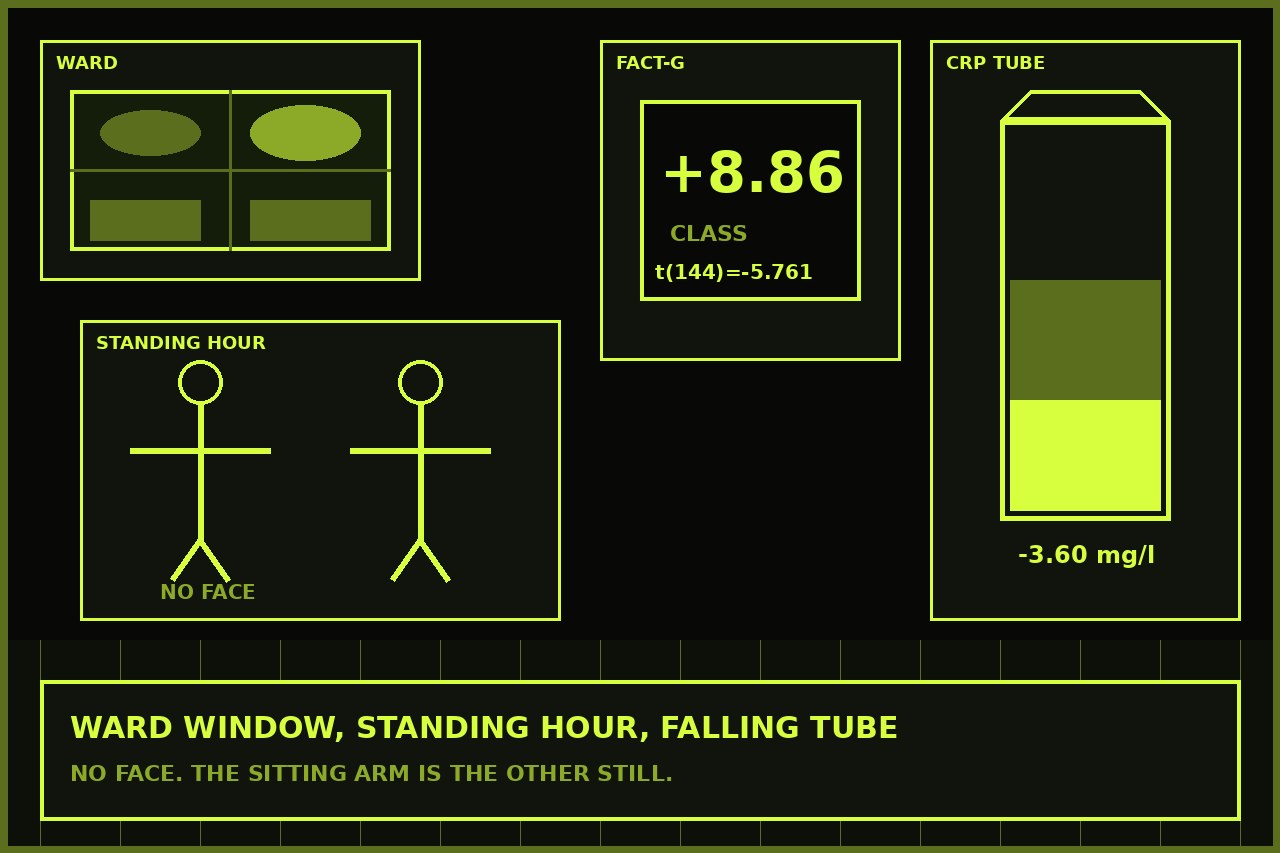
Qigong raised quality-of-life scores 8.86.
You wanted the standing class to move the sheet after the ward already had a plan.
Qigong, also called medical qigong in this paper, is a standing class of slow moves and breathing. Quality of life is how life feels during cancer care. FACT-G is the sheet that scores that feeling. Usual care is the care the oncologist already ran, with no class. Oh and the team at the University of Sydney ran this work in three Sydney teaching hospitals. Keep the qigong name.
What is qigong?
Qigong is a standing class of slow moves and breathing. People stand, move slowly, and breathe on purpose. You wanted that class to move the sheet after the ward already had a plan. Keep the standing class.
What is medical qigong?
Medical qigong is the name Oh used for that standing class, and the team still called it qigong. They ran the class for ten weeks, with two supervised 90-minute sessions each week, and people also practiced at home for at least 30 minutes.
What is quality of life?
Quality of life is how life feels during cancer care. FACT-G is the sheet that scores it, and people fill that sheet in themselves. A higher score means life felt better on that sheet. The team said a 5-to-10 point shift on FACT-G was clinically important. Clinically important means the change was big enough to matter in daily life, not just on a printed page.
What is usual care?
Usual care is the care the oncologist already ran, with no class. People in that group kept the plan they already had, and they did not join the standing class.
Did qigong raise quality-of-life scores?
Oh, Butow, Mullan, Clarke, Beale, Pavlakis, Kothe, Lam, and Rosenthal published this paper in 2010. The journal is Annals of Oncology. They ran the work at the University of Sydney and three Sydney teaching hospitals. You can read the paper at doi.org/10.1093/annonc/mdp479.
The title of the paper is “Impact of Medical Qigong on quality of life, fatigue, mood and inflammation in cancer patients: a randomized controlled trial.” It also carries DOI 10.1093/annonc/mdp479, PMID 19880433, and PMC 2826100.
The team put 162 people into two groups. 79 people joined the standing class. 83 people stayed in usual care. Mean age was 60, with a spread of 12, from 31 to 86. Breast cancer was 34 percent of the group. Colorectal cancer was 12 percent.
The class ran ten weeks. People came to two supervised 90-minute sessions each week. They also practiced at home for at least 30 minutes. People who finished came to a mean of 8 of 10 sessions. Dropout was 32 percent in the standing class and 35 percent in usual care.
How much did quality-of-life scores change?
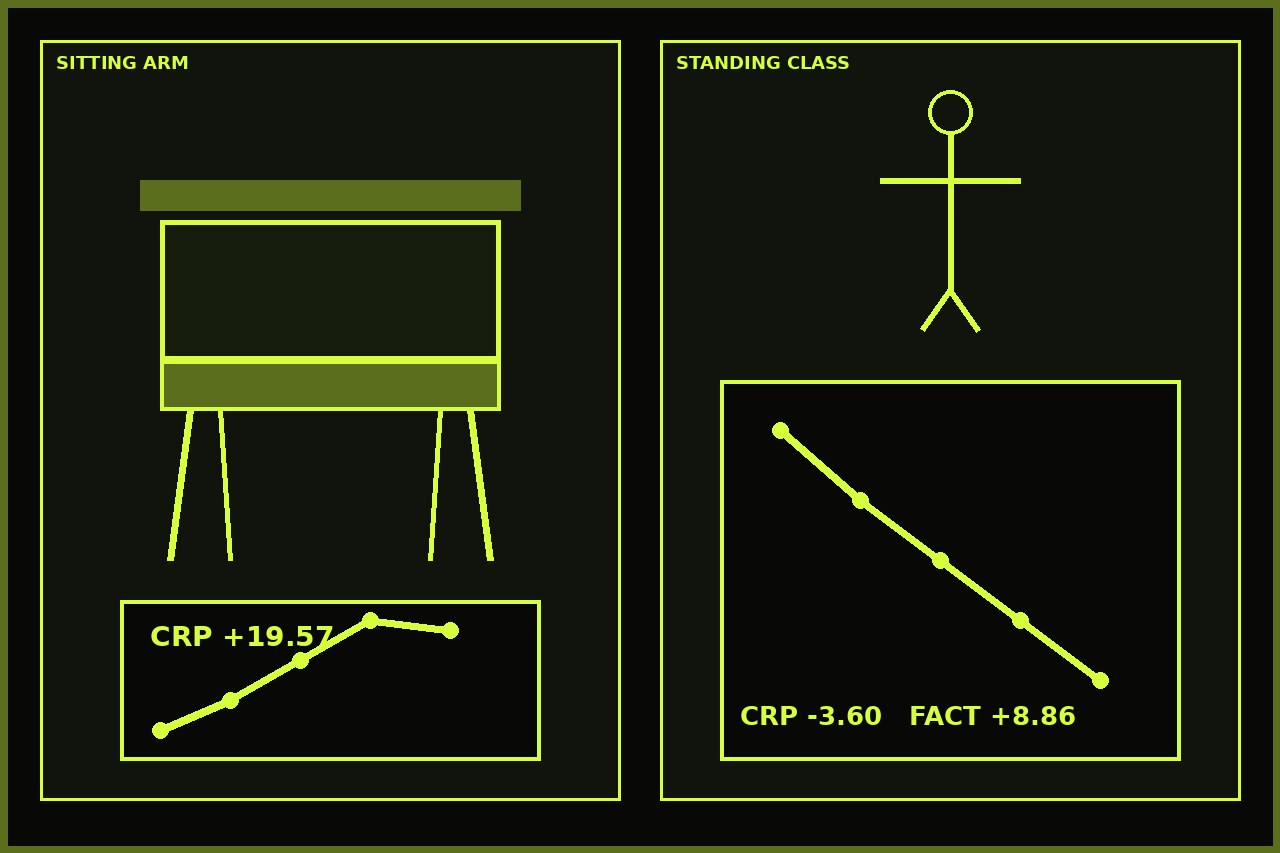
At week 10, people in the standing class gained 8.86 on the FACT-G total. The range they printed ran from 6.41 to 11.32. People in usual care changed by minus 0.13. That range ran from minus 2.48 to 2.22. The gap between the groups was 9.00, from 5.62 to 12.36. The team printed t(144)=-5.761, and p under 0.001. A p value tells you how often a gap this big would show up if the groups were the same.
The team put that 8.86 inside the 5-to-10 point range they called clinically important. People in usual care stayed near zero. You can still want the standing class to move the sheet.
What is FACT-F?
FACT-F is the fatigue sheet, and fatigue is how tired life feels. People in the standing class gained 6.34 on that sheet. People in usual care gained 0.64.
What is POMS?
POMS is a mood sheet, and a lower score on that sheet means mood felt better. People in the standing class dropped 8.73. People in usual care rose 1.91.
What is CRP?
CRP is a blood mark of inflammation. Inflammation is the body’s heat response that a blood test can see. People in the standing class dropped 3.60. People in usual care rose 19.57. The gap between the groups was minus 23.17. The p value was 0.044 after a log transform. A log transform is a math step the team used on those blood numbers.
Did they run a sham class?
The team compared the standing class with usual care, and they did not run a sham class. A sham class is a fake class that looks like the real one. People knew which group they were in, so the study was unblinded. Unblinded means nobody hid the group. Extra time with a teacher twice a week can also change how people fill a sheet, and the team named that. You can still want the standing class.
Was the standing class safe?
The team reported no adverse effects. If you feel unusual distress or you need cancer care, talk to a clinician, because this page is educational and not a diagnosis.
If you want a page about wanting extra after a plan was already in place, open the eating window page.
Can you still want the standing class to move the sheet?
You wanted the standing class to move the sheet after the ward already had a plan. Keep the qigong name.
People in the standing class gained 8.86 on the quality-of-life sheet and people in usual care stayed near zero. You can still want the standing class to move the sheet.
Sources
Oh B., Butow P., Mullan B., Clarke S., Beale P., Pavlakis N., Kothe E., Lam L., Rosenthal D. “Impact of Medical Qigong on quality of life, fatigue, mood and inflammation in cancer patients: a randomized controlled trial.” Annals of Oncology 2010, 21(3):608-614. DOI 10.1093/annonc/mdp479. PMID 19880433. PMC 2826100. University of Sydney, three Sydney teaching hospitals. n=162, MQ 79, usual care 83, mean age 60 SD 12, range 31 to 86, breast 34 percent, colorectal 12 percent. Ten weeks, two supervised 90-min sessions per week, home practice at least 30 min, completers mean 8 of 10 sessions, dropout 32 percent MQ, 35 percent usual care, no adverse effects reported. Week-10 FACT-G total MQ +8.86 (6.41 to 11.32) vs usual care -0.13 (-2.48 to 2.22), between 9.00 (5.62 to 12.36), t(144)=-5.761, p under 0.001. They called a 5-to-10 point FACT-G shift clinically important. FACT-F +6.34 vs +0.64. POMS total -8.73 vs +1.91. CRP MQ -3.60 vs usual care +19.57, between -23.17, p=0.044, log transform. Usual care control, no sham class, unblinded, attention confound named. doi.org/10.1093/annonc/mdp479 · pubmed.ncbi.nlm.nih.gov/19880433 · PMC2826100